
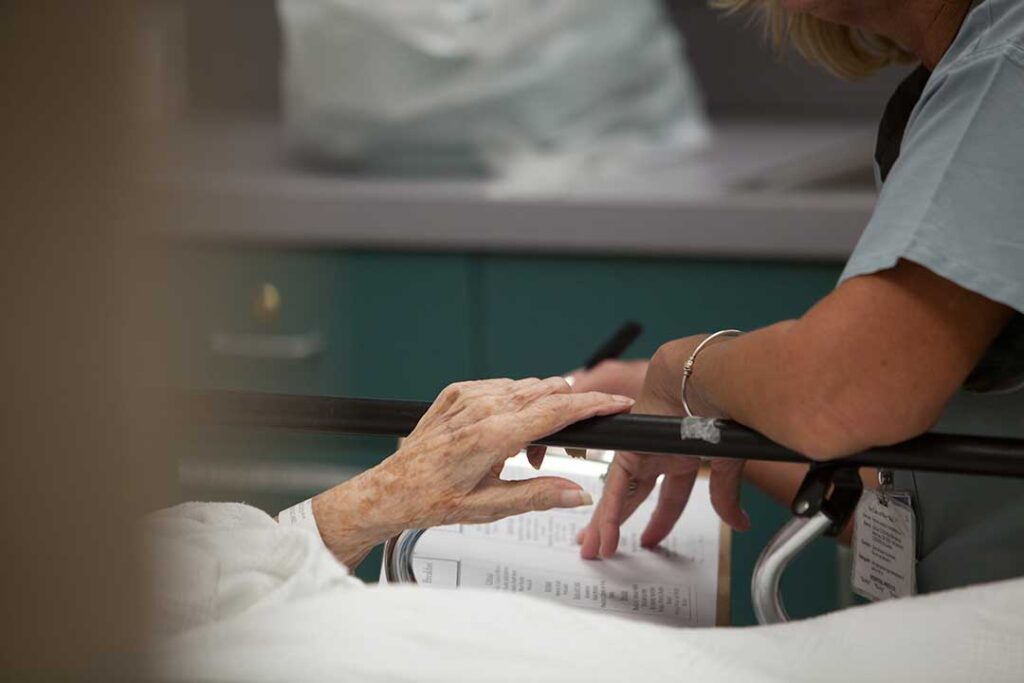
Couples often want to remain together even when one spouse needs more help with bathing, medications, mobility, or daily routines. Assisted living may make that possible by providing support based on each person’s needs while preserving shared meals, visits, activities, and time in the same living space.
In Pennsylvania, the terms *assisted living residence* and *personal care home* describe licensed residential settings that provide supervision and help with personal care. They are not the same as nursing homes, which provide a higher level of medical care. ([pa.gov](https://www.pa.gov/agencies/dhs/resources/aging-physical-disabilities/personal-care-homes?utm_source=openai))
Can couples live together in assisted living?
Often, yes—but the answer depends on the residence, the size and layout of available units, and each person’s care needs. Pennsylvania guidance recognizes that some couples live in personal care homes or assisted living residences even when they do not require the same level of support. Some residences can accommodate the couple in one unit or nearby units, while others may not have an appropriate arrangement. ([pa.gov](https://www.pa.gov/agencies/dhs/resources/aging-physical-disabilities/personal-care-homes/personal-care-home-faq?utm_source=openai))
A couple may share a living unit when:
- Both residents agree to the arrangement.
- The unit is appropriate for their mobility and safety needs.
- The residence can meet each person’s care plan.
- Neither spouse’s needs exceed the setting’s license or staffing capacity.
- The residency agreement clearly explains services, fees, and living arrangements.
For assisted living residences, Pennsylvania law generally requires each resident to have an individual living unit, although two residents may voluntarily agree in writing to share one. A residence cannot require residents to share a unit. ([pa.gov](https://www.pa.gov/content/dam/copapwp-pagov/en/dhs/documents/providers/clearances-and-licensing/documents/app-hsl/Human%20Services%20License%20Law.pdf?utm_source=openai))
This means families should ask directly whether a couple can share a unit, move into adjoining units, or remain in the same residence if one spouse’s needs change.
How are different care needs handled?
The most common situation is that one spouse needs substantial assistance while the other remains relatively independent. Assisted living can support the couple by creating separate service plans rather than treating both people as if they have identical needs.
For example, one spouse may need:
- Help with dressing, bathing, or toileting
- Medication reminders or medication management
- Assistance transferring from a bed or chair
- Monitoring because of memory loss or fall risk
- Help arranging health-care appointments
The other spouse may only need meals, housekeeping, transportation assistance, or occasional help with mobility. Pennsylvania describes personal care services as including assistance with tasks such as eating, walking, transferring, bathing, hygiene, and arranging health care. ([pa.gov](https://www.pa.gov/agencies/dhs/resources/aging-physical-disabilities/personal-care-homes?utm_source=openai))
A shared residence should be able to explain how services are assessed, how often needs are reviewed, and what happens if one person requires more care later. A couple should not assume that one spouse’s care plan automatically covers the other spouse.
What does daily life look like for a couple?
Assisted living can reduce the practical work that often falls on a spouse. Instead of one partner managing every medication, meal, appointment, household chore, and safety concern, staff can provide routine assistance while the couple continues to make personal decisions together.
Daily life may include:
- Eating meals together in a dining room or private space
- Attending activities at the same time, even if participating differently
- Visiting shared outdoor areas or common rooms
- Keeping familiar furniture, photographs, and personal belongings
- Maintaining private conversations and family visits
- Spending quiet time together without managing every care task
This can be especially meaningful during Pennsylvania winters, when snow, ice, early darkness, and difficult walking conditions may make errands and home maintenance harder. Moving to a setting with meals, indoor activities, and safer walking routes may reduce pressure without separating spouses.
Assisted living does not mean a couple must give up privacy or independence. Residents generally retain the right to personal possessions, private communication, association with visitors, and participation in decisions about their care. ([pa.gov](https://www.pa.gov/content/dam/copapwp-pagov/en/dhs/documents/licensing/bhsl-licensing/documents/2025-04-11-alr-resident-rights-poster.pdf?utm_source=openai))
What if one spouse needs nursing-home-level care?
Assisted living is not designed for every level of medical or physical need. A person who requires continuous skilled nursing, complex medical treatment, or extensive assistance beyond the residence’s capability may need a nursing facility or another care arrangement.
This can create difficult choices for couples. Possible arrangements may include:
- Both spouses remain in assisted living if the residence can safely meet both needs.
- One spouse moves to a higher-care setting while the other remains nearby.
- The couple lives in the same broader community but in different care settings.
- A spouse receives outside health-care services if permitted and appropriate.
- The couple visits regularly and coordinates meals, activities, and family support.
The key question is not simply whether the couple can move in together. It is whether the setting can safely support both people now and respond appropriately if one person’s condition changes.
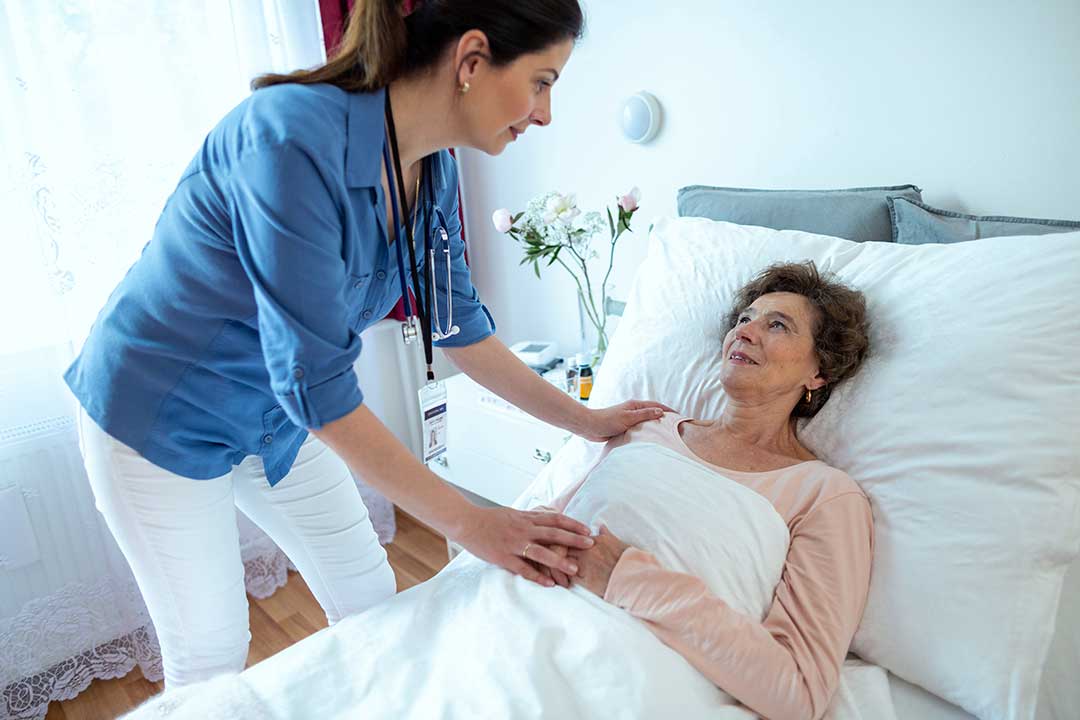
What should families ask before choosing a residence?
A visit should focus on practical details rather than appearance alone. Couples and family members may want written answers to questions such as:
- Can spouses share a unit, and what unit types are available?
- If one spouse needs more care, can both remain in the same residence?
- How are separate care plans developed and reviewed?
- What services are included in the basic agreement?
- Which services cost extra?
- Are nurses available on site, on call, or only through outside providers?
- How are medications handled?
- What happens after a fall, hospitalization, or rehabilitation stay?
- Can residents bring familiar furniture and personal belongings?
- Are couples able to dine and participate in activities together?
- What transportation is available during winter weather or for medical appointments?
- What are the policies for visitors, overnight stays, and personal privacy?
Families should also ask how the residence handles disagreements between spouses, changes in decision-making ability, and emergency contacts. These matters can be uncomfortable to discuss, but planning ahead helps prevent confusion during a crisis.
How can couples prepare for a move?
Preparation is easier when both spouses are included in decisions as much as possible. Begin by identifying what each person does independently, what requires occasional help, and what creates a safety concern at home.
Useful preparation may include:
- Making a current medication list
- Gathering medical and insurance information
- Recording preferred routines, foods, and activities
- Sorting furniture and personal items before moving
- Discussing privacy and personal space
- Identifying who should be involved in care decisions
- Planning how family visits will continue
- Reviewing finances separately and together
A couple does not need to have the same diagnosis, schedule, or service package. The goal is a living arrangement that respects the relationship while recognizing that each person may need different kinds of support.
For households in Waynesburg, the most useful comparison is often between the couple’s current responsibilities and the level of assistance a residence can reliably provide. A successful arrangement should make daily life safer and more manageable without treating the spouses as a single care case.
