
How Does Assisted Living Encourage Activity and Independence?
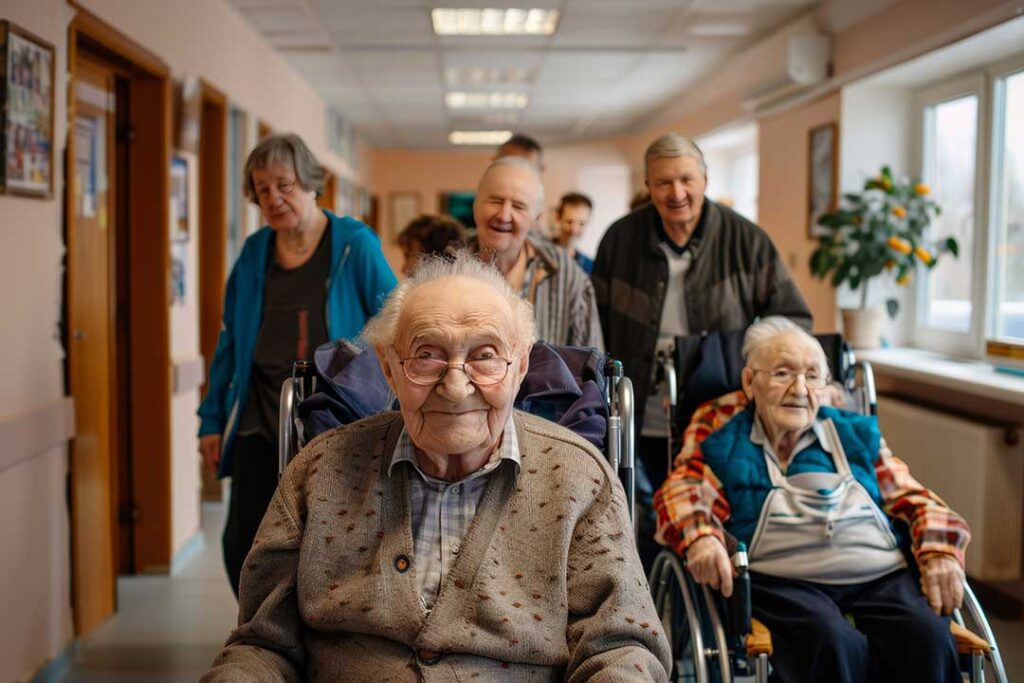
Assisted living communities are designed to help older adults stay active while receiving needed support. In Waynesburg, PA, the balance between independence and assistance is a priority, with programs and spaces that support daily movement, social interactions, and personal interests.
Local residents often want to know if moving to assisted living means losing their routines or becoming less independent. In fact, many find that these communities offer more chances to be active compared to managing at home alone, especially given the area’s climate and seasonal changes. Safe sidewalks, supervised group outings, adapted exercise classes, and indoor common areas help residents remain engaged year-round.
What Types of Activities Are Commonly Available?
Residents can expect a mix of physical, social, and creative opportunities tailored to individual preferences and mobility levels.
Many assisted living communities in the area facilitate:
- Fitness classes designed for all abilities, from chair yoga to light aerobics
- Walking clubs that make use of both indoor corridors and protected outdoor paths
- Social games like bingo, puzzles, or trivia that build connections
- Arts, crafts, and music sessions for creative expression
- Guest speakers and educational workshops appealing to lifelong learners
These activities are usually scheduled with flexibility, so residents can choose what appeals to them and participate as much or as little as they like. The goal is to offer options that fit each person’s interests and comfort.
How Are Programs Adapted for Varying Levels of Ability?
Activities are typically adapted so as many residents as possible can participate without feeling left out. For example, fitness sessions might offer both standing and seated options, and crafts are chosen with different dexterity needs in mind.
Local staff often gauge the physical and cognitive abilities of participants to ensure safety and enjoyment. Adaptations may include:
- Modified exercises for those with limited mobility
- Tabletop gardening indoors during harsh winter months
- Step-free access to main activity rooms
- Provisions for hearing or vision assistance if needed
Residents can request further adjustments or suggest new activities to suit personal needs and seasonal changes common in the area.
How Does Assisted Living Help Prevent Isolation?
Feeling isolated is a significant concern, especially during periods of inclement weather in the region. Assisted living settings address this by fostering daily opportunities for social interaction and community.
Simple practices—such as group meals in communal dining rooms, scheduled social hours, and collaborative projects—encourage residents to connect with each other. For those hesitant to join in larger activities, staff may support smaller gatherings or one-on-one visits to ease transitions and ensure no one feels left out.
These ongoing interactions can help build lasting friendships and prevent the negative health effects associated with loneliness or inactivity.
What Role Do Outdoor Spaces and Local Environment Play?
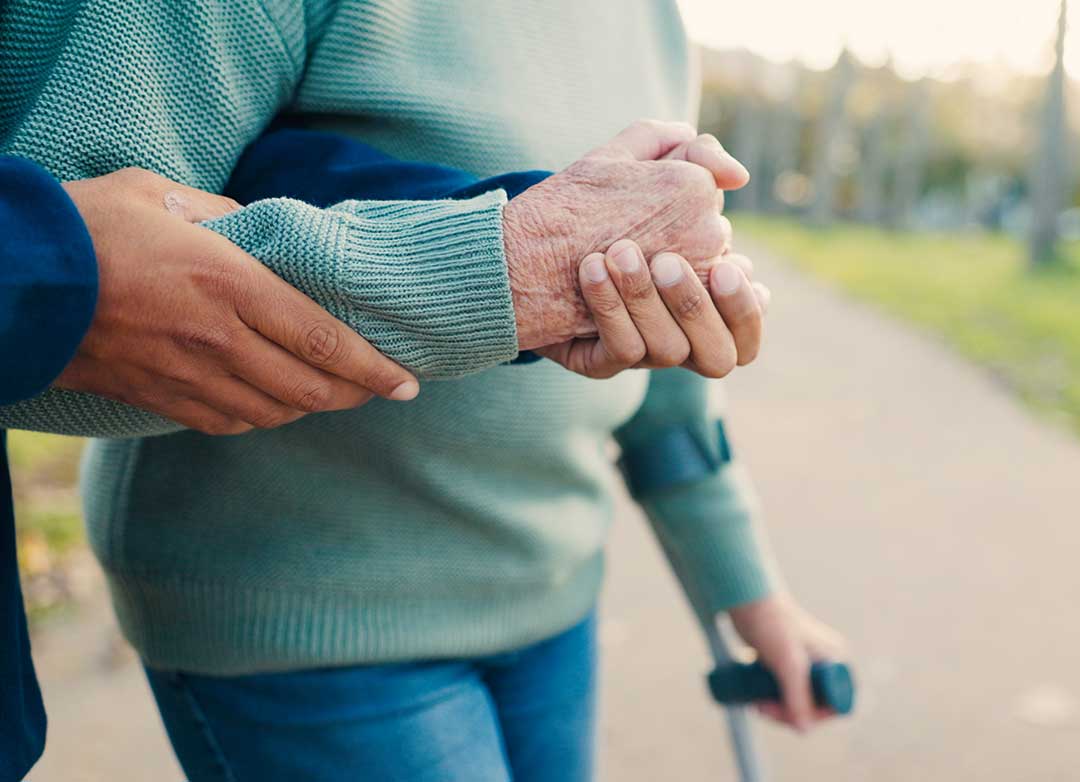
In Waynesburg, the changing seasons shape how and when outdoor activities happen. Assisted living communities often provide secure gardens, patios, or courtyards that are safely accessible even for those with mobility devices.
During warmer months, organized walking groups, gardening clubs, and outdoor games are popular. In colder weather, residents can still enjoy fresh air thanks to covered porches or sunrooms. Local residents appreciate that these spaces are maintained with safety in mind—sidewalks are cleared, surfaces kept even, and furniture arranged for ease of movement.
Having outdoor access close to living quarters means residents can spend time outside as their abilities and conditions allow, staying connected to the rhythms of nature and local surroundings.
Do Meals and Nutrition Support an Active Lifestyle?
Nutritious meals play a key part in maintaining energy and health. Assisted living communities often provide well-balanced menus, including options for residents with dietary restrictions or health concerns common in the region.
Meals are typically served in bright, welcoming dining rooms, which also foster social engagement. Residents may have input into menu planning, reflecting local tastes and seasonal availability. Special events, like themed dinners or cooking demonstrations, add variety and encourage residents to try new foods.
Access to balanced meals can relieve local families from concerns about grocery shopping and meal prep, especially during months when travel can be challenging.
Can Residents Still Participate in Community Life Beyond the Residence?
Staying connected to broader community life is important for many in the area. Assisted living communities often arrange supervised outings so residents can attend civic events, seasonal festivals, or local attractions—all while considering weather, accessibility, and safety.
Transportation options may be provided for group trips to parks, public libraries, or cultural gatherings. Residents can also keep up personal traditions by visiting familiar places during approved outings, keeping their ties to the broader community strong.
Participation in intergenerational programs, such as school visits or holiday activities, also supports a feeling of belonging and vibrancy—key for an active, engaged lifestyle.
What Common Misconceptions Exist About Activity in Assisted Living?
Many people assume assisted living is passive or isolating. In reality, most local assisted living communities work to dispel this by putting resident engagement at the forefront. Programs are not "one size fits all" and encourage self-directed participation.
Another misconception is that the transition means giving up hobbies or routines. Residents are usually encouraged to bring favorite pastimes and continue involvement with groups or organizations outside the residence, so far as is practical and safe.
The variety and personalization of activities, combined with the support available, help ensure that local older adults can remain active in meaningful ways, in tune with their own goals and the rhythms of area life.
